Recently Updated: June 10, 2026
New information has been added to this page.
Gear planning is one of the major preparation areas for the Appalachian Trail 2030 project.
The goal is not to buy everything immediately. The goal is to identify what will be needed, research options, test gear over time, and avoid last-minute decisions.
Gear Categories
Backpack
The backpack must carry the full kit comfortably and safely over long distances.
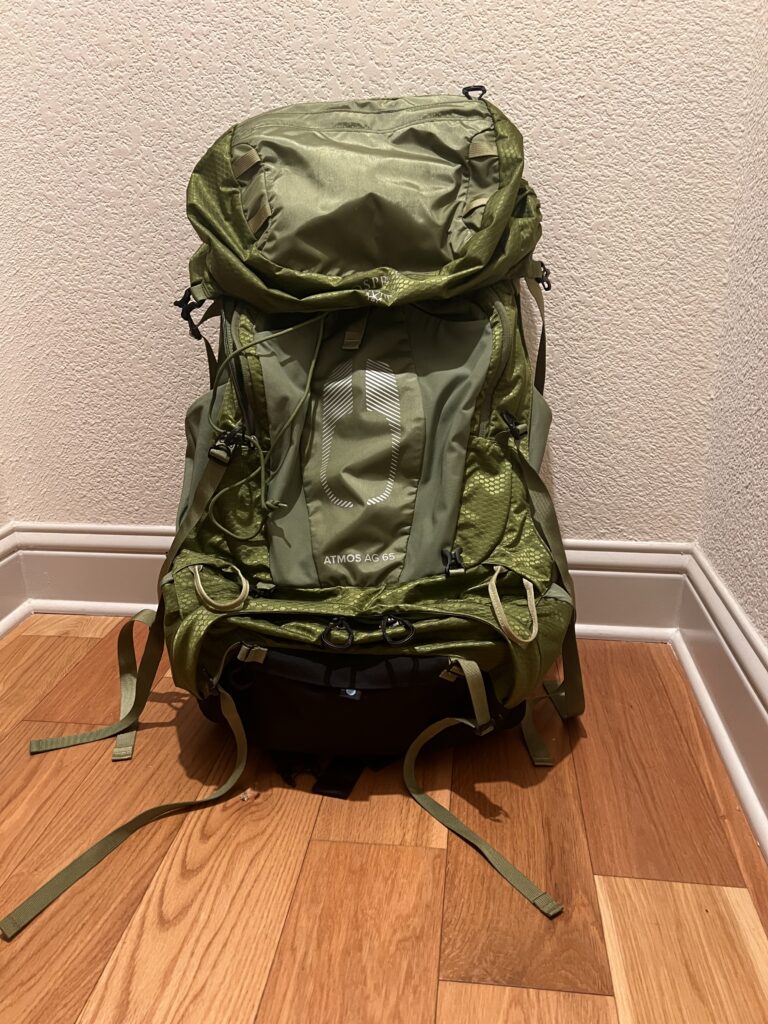
Current Pack: Osprey Atmos AG 65
My current training pack is the Osprey Atmos AG 65. This is the pack I am using as the foundation for my Appalachian Trail preparation. It has enough room for a long-distance setup, but that also creates a temptation to carry too much. Part of this process will be learning what actually earns a place in the pack.
Backpack Notes
Pack: Osprey Atmos AG 65
Use: AT training and long-distance hiking preparation
Current training load: 39 lbs
Watching for: comfort, shoulder pressure, hip belt fit, hot spots, balance, and total weight
Shelter
Shelter options may include a tent, hammock system, tarp, or other lightweight backpacking shelter.
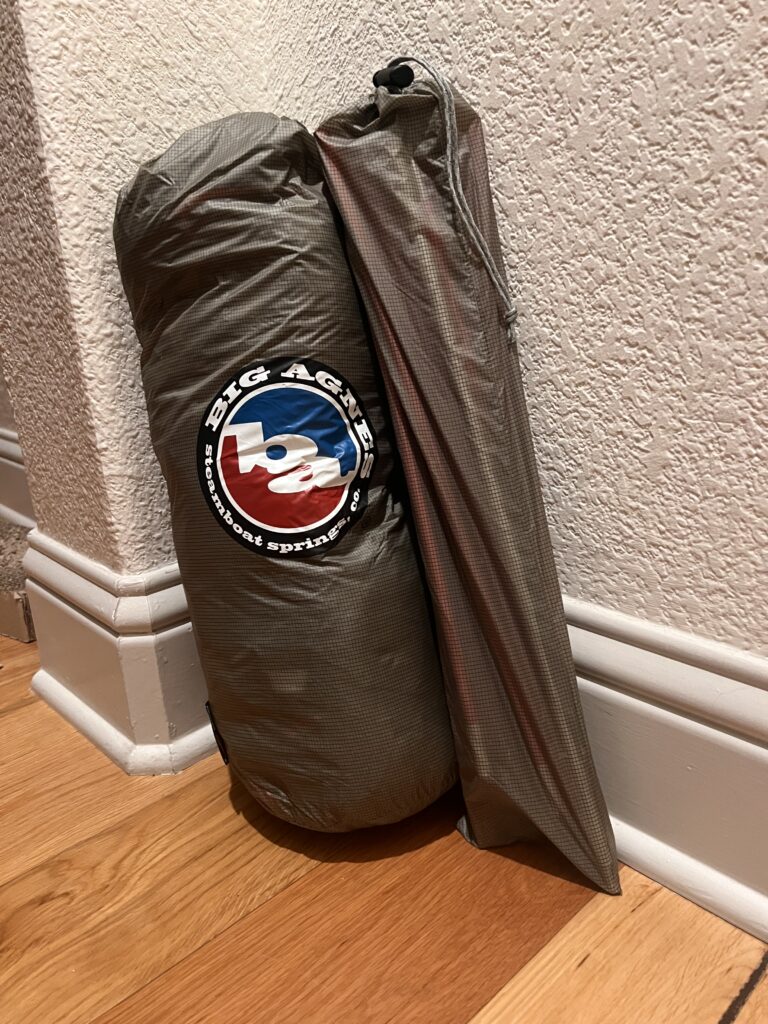
Current Shelter: Big Agnes one-person tent
My current shelter is a Big Agnes one-person tent. This will be part of my Appalachian Trail training and shakedown testing. A one-person tent gives me a dedicated place to sleep, protection from weather and insects, and a shelter system I can practice setting up before the trail.
Shelter Notes
Shelter: Big Agnes one-person tent
Use: AT training, shakedown hikes, and overnight shelter
Watching for: setup time, packed size, weight, rain protection, condensation, interior space, stake placement, and comfort.
Sleep System
The sleep system includes the sleeping bag or quilt, sleeping pad, pillow, and insulation needed for expected trail conditions.
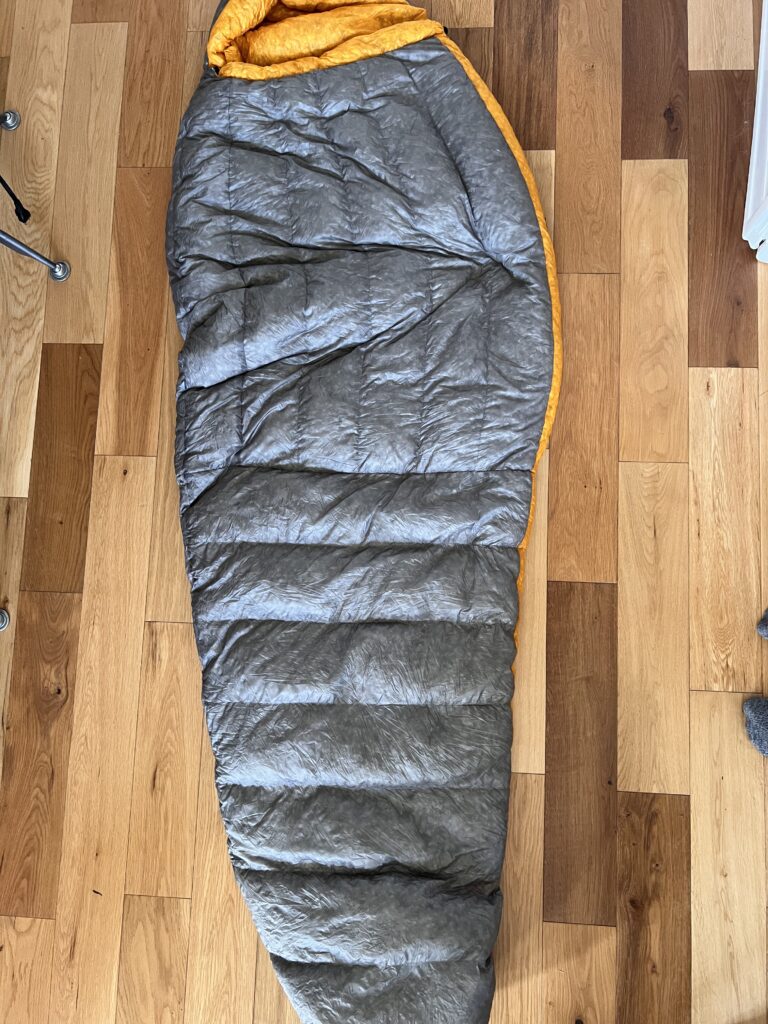
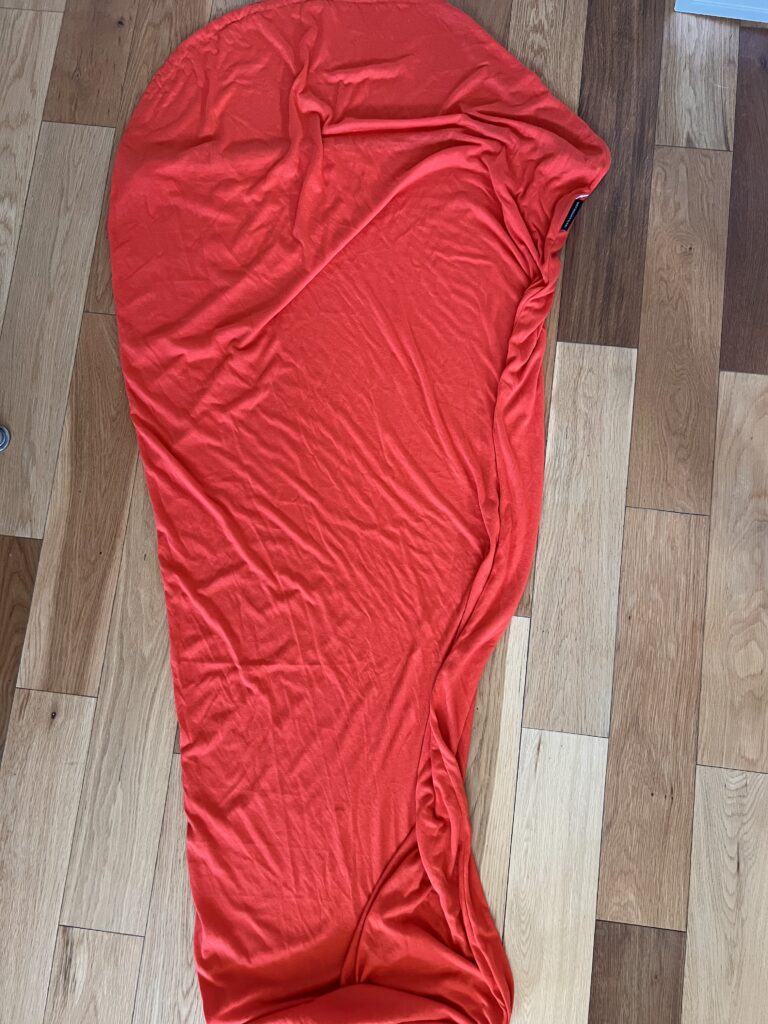
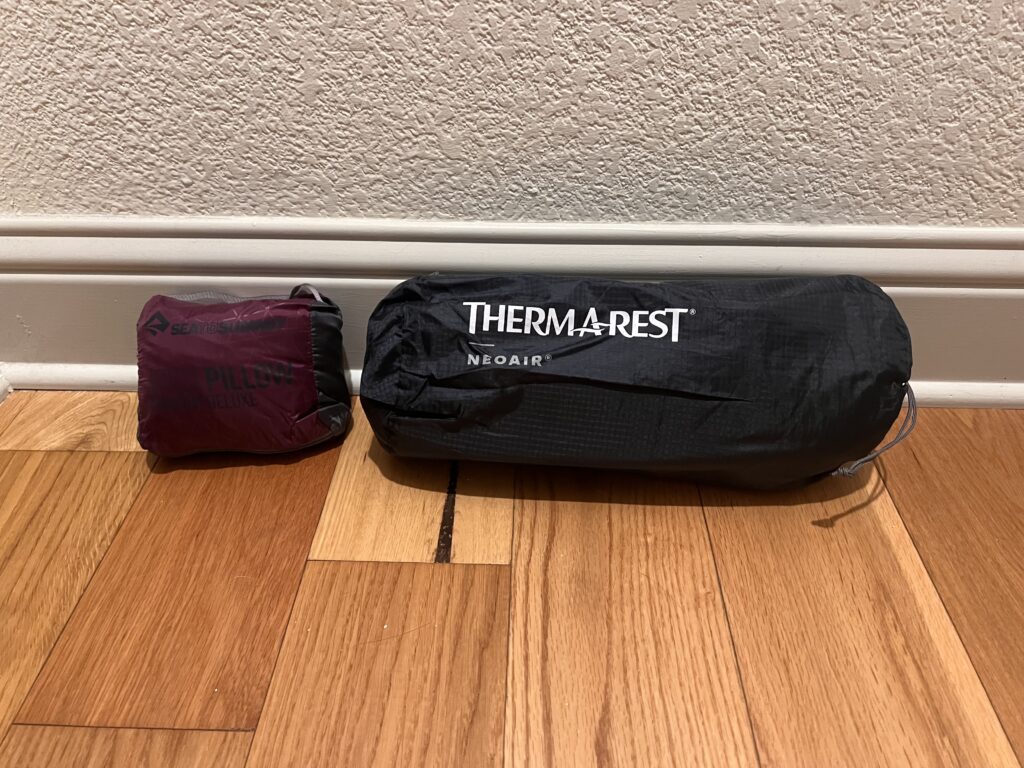
Current Sleep System: Sea to Summit sleeping bag, Sea to Summit bag liner, Therm-a-Rest NeoAir sleeping pad, and Sea to Summit pillow
My current sleep system includes a Sea to Summit -15°C sleeping bag, a Sea to Summit bag liner, a Therm-a-Rest NeoAir sleeping pad, and a Sea to Summit pillow. I do not like being cold, so warmth and recovery are major priorities in this part of the gear plan. The sleeping bag will be tested for colder nights, while the liner may be useful in warmer conditions or as an added layer when needed.
Sleep System Notes
Sleeping bag: Sea to Summit -15°C sleeping bag
Bag liner: Sea to Summit liner
Sleeping pad: Therm-a-Rest NeoAir
Pillow: Sea to Summit pillow
Use: AT training, overnight recovery, cold-weather sleep, and warm-weather flexibility
Watching for: warmth, overheating, comfort, packed size, total sleep-system weight, condensation, air retention, pillow height, neck support, and morning soreness.
Footwear
Footwear will likely require the most testing and replacement. Shoes, socks, insoles, and foot care will be tracked carefully.
Clothing
Clothing must handle heat, cold, rain, wind, sweat, and changing conditions across multiple states and seasons.
Rain Gear
Rain gear is essential on the Appalachian Trail. This section will track jacket, pants, pack cover, dry bags, and other water protection choices.
Cooking and Food Storage
This section will track stove choice, fuel, cook pot, utensils, food bag, bear canister or bear-hang system, and food storage requirements.
Cooking gear is part of the food system and needs to be simple, reliable, and easy to use when tired.
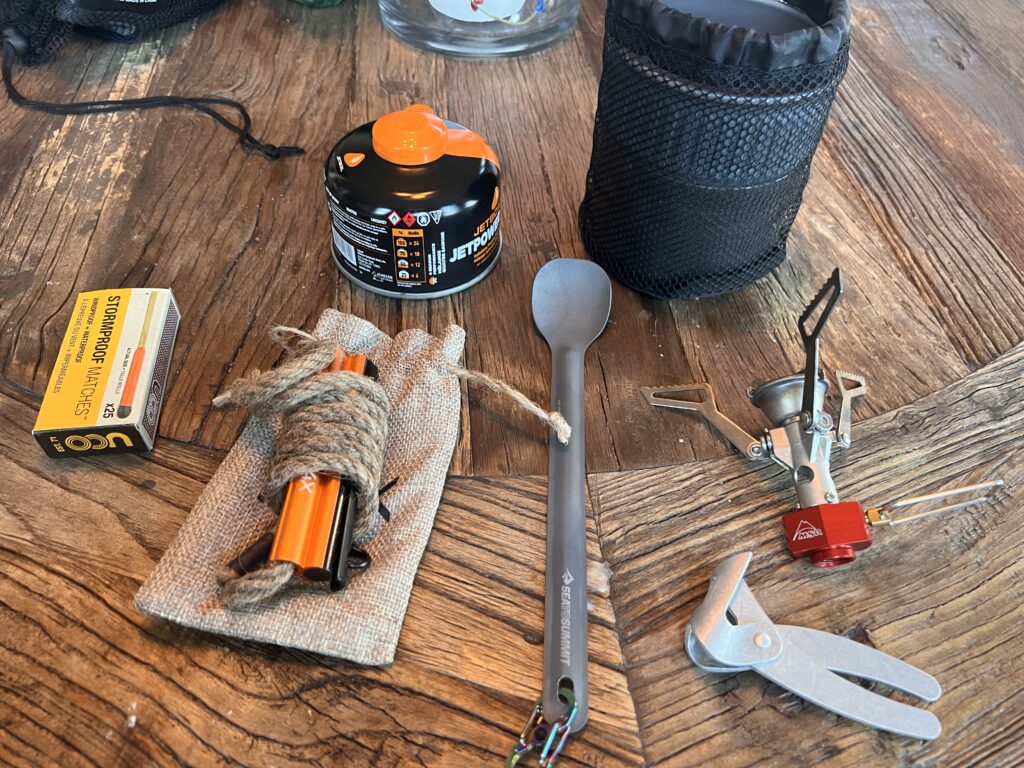
Current Cooking Setup: backpacking stove, fuel canister, cook pot, long spoon, and fire-starting items
My current cooking setup includes a backpacking stove, fuel canister, cook pot, Sea to Summit long spoon, stormproof matches, and other fire-starting items. This system will be tested during training and shakedown hikes to see how well it works for hot meals, water boiling, cleanup, packing, and use at the end of a long day.
Cooking / Food Prep Notes
Stove: backpacking stove
Fuel: fuel canister
Cookware: cook pot / mug
Utensil: Sea to Summit long spoon
Fire-starting: stormproof matches and backup fire-starting items
Use: hot meals, boiling water, and trail food preparation
Watching for: boil time, fuel use, stability, wind performance, cleanup, packed size, ease of use, and whether hot meals are worth the carried weight.
Water Treatment
This section will track water filter, backup treatment, water bottles, bladders, and water-carrying capacity.
Water / Filtration
Water planning includes carrying enough water, filtering safely, and learning how the system works before depending on it in the backcountry.
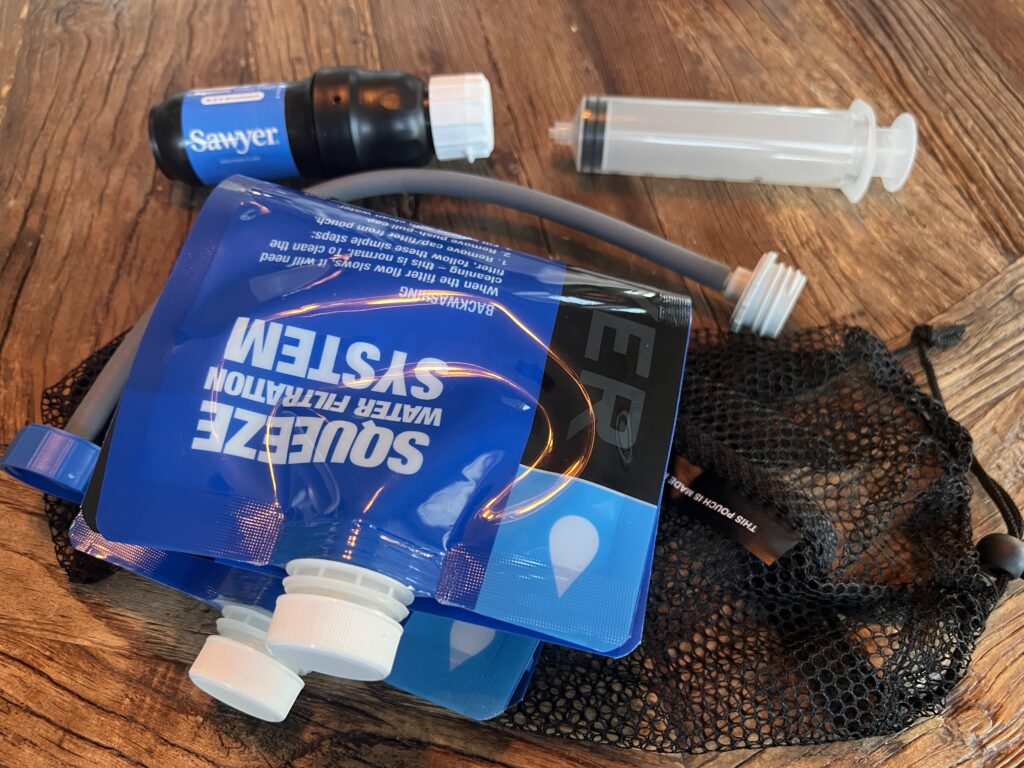
Current Water Filter: Sawyer Squeeze water filtration system
My current water filtration setup is a Sawyer Squeeze water filtration system with squeeze pouches. This will be part of my Appalachian Trail training and shakedown testing. Clean water is one of the most important trail systems, so I need to learn how to use, clean, backflush, store, and protect the filter before relying on it during longer hikes.
Water / Filtration Notes
Water filter: Sawyer Squeeze
Water containers: squeeze pouches
Use: filtering water during AT training, shakedown hikes, and long-distance hiking
Watching for: flow rate, ease of use, backflushing, pouch durability, storage, freezing risk, water source access, and how much water I actually drink during loaded walks
Electronics
This section will track phone, battery bank, charging cables, headlamp, satellite communicator, and other electronics.
First Aid / Medical
First aid gear is part of the safety system and needs to be tested, organized, and kept accessible.
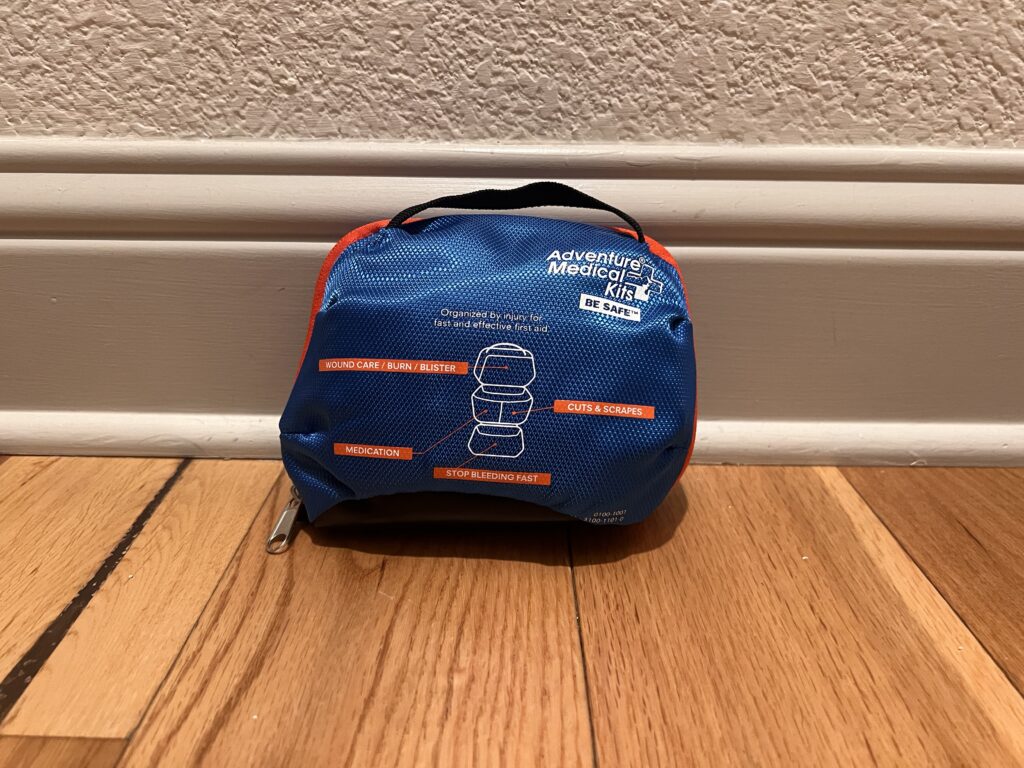
Current First Aid Kit: Adventure Medical Kits Mountain Series Hiker First Aid Kit
My current first aid kit is an Adventure Medical Kits Mountain Series Hiker First Aid Kit. This will be part of my Appalachian Trail training and overnight shakedown setup. I will need to learn what is inside it, what needs to be added, what can be removed, and where it should ride in the pack so it is easy to reach.
First Aid Notes
First aid kit: Adventure Medical Kits Mountain Series Hiker
Use: AT training, shakedown hikes, and trail safety
Watching for: accessibility, contents, expiration dates, blister care, pain relief, wound care, weight, and organization.
Trekking Poles
Trekking poles can help with balance, rhythm, climbing, descending, and reducing strain over long distances.
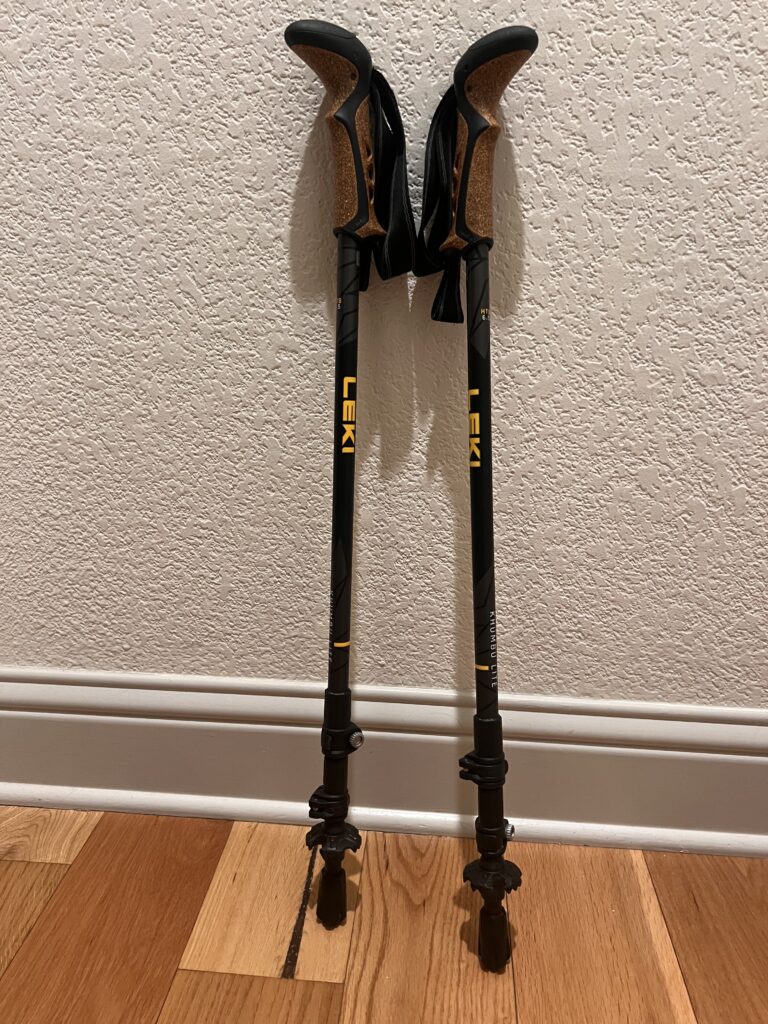
Current Trekking Poles: Leki trekking poles
My current trekking poles are Leki trekking poles. I am using them as part of my Appalachian Trail training to improve balance, reduce strain on my legs, and build a steady hiking rhythm. They will also help me learn how my upper body, shoulders, hands, and grip respond during longer loaded walks.
Trekking Pole Notes
Poles: Leki trekking poles
Use: AT training and long-distance hiking support
Watching for: wrist comfort, grip comfort, pole height, hand fatigue, shoulder tension, downhill control, and overall rhythm
Items to Test
Gear should be tested before the trail. This section will track what needs to be tested during training walks, shakedown hikes, and overnight trips.
Items to Replace on Trail
Some items will wear out during the hike. Shoes, socks, water filters, trekking pole tips, and clothing may need planned replacement.